
Halal city routes: what to see in Ankara
A travel guide from the capital's historical streets to the quiet towns of surrounding districts. What Ankara offers halal travelers.
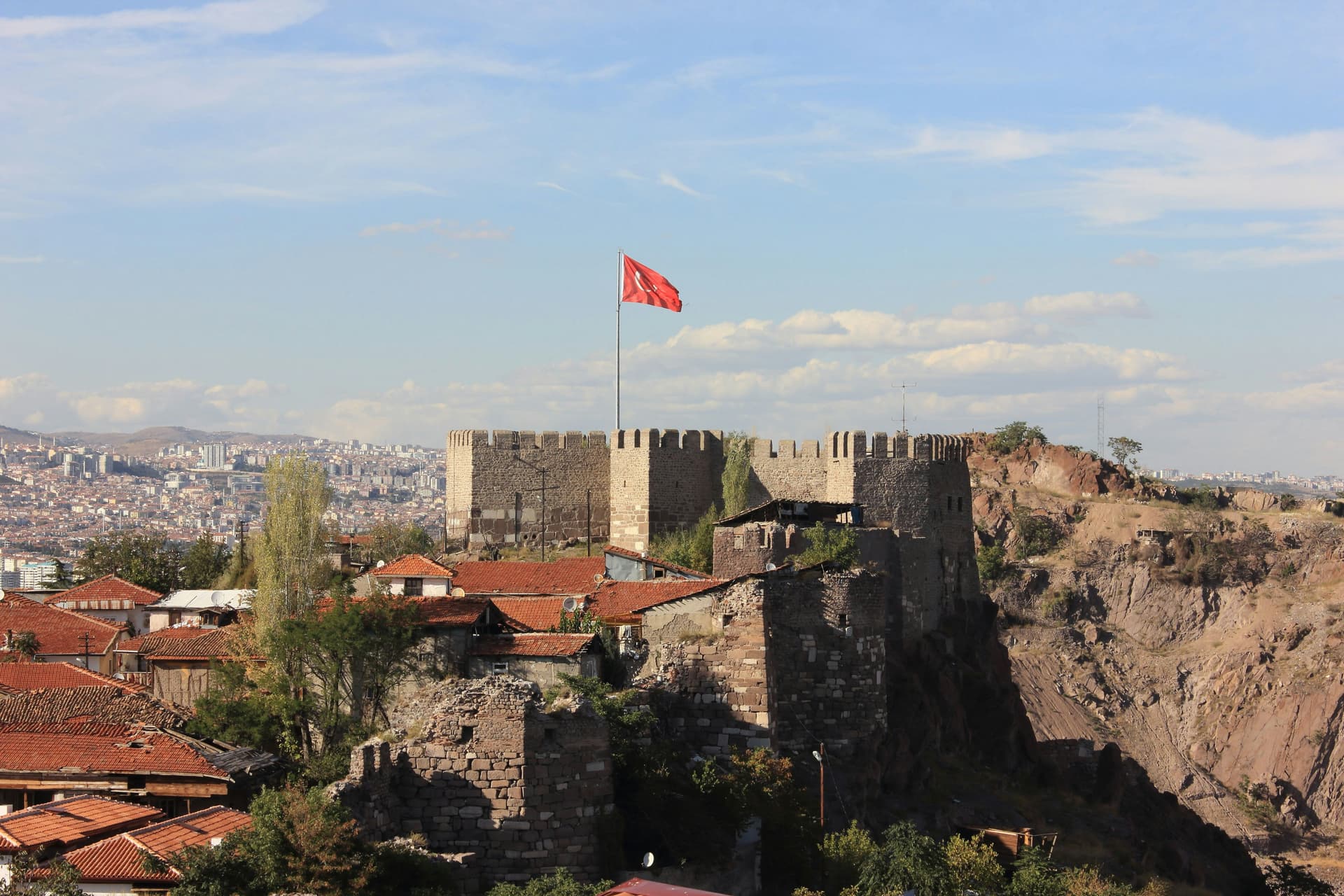
Ankara Castle
Walk uphill from Ulus and you reach Ankara's oldest settlement point. The ramparts let you look out over the whole city. Not a bad view at sunset. Inside the walls it's still a living neighborhood: small cafes, antique shops, and plenty of cats in narrow streets. Restoration work has picked up in recent years, with some sections already renewed. Entry is free. Open 09:00-19:00 in summer, 09:00-17:00 in winter. About 3 km from Kızılay; take the metro to Ulus and walk up.
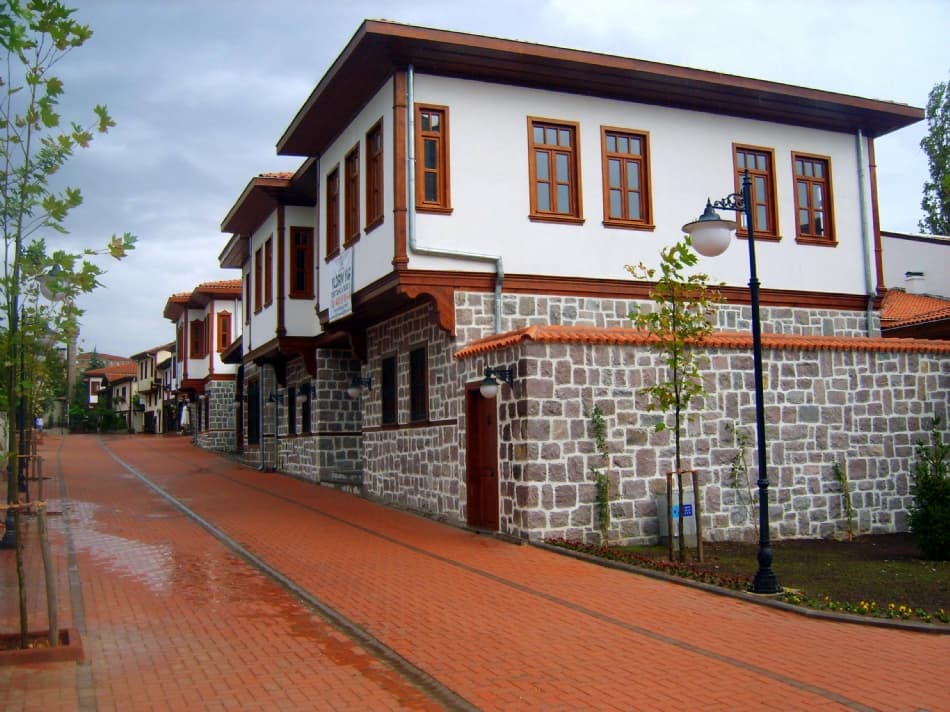
Hamamönü
This Altındağ neighborhood was restored in the early 2000s and is lined with wooden Ottoman houses dating to the 15th century. The Karacabey Mosque and Bath (15th century) are among the oldest structures here. Tacettin Dergâhı, where poet Mehmet Akif Ersoy once stayed, now operates as a museum. The area received the UNESCO EDEN award in 2011. Streets are filled with artisan shops and cafes serving traditional breakfasts. Walking distance to the Castle, about 3 km from Kızılay.
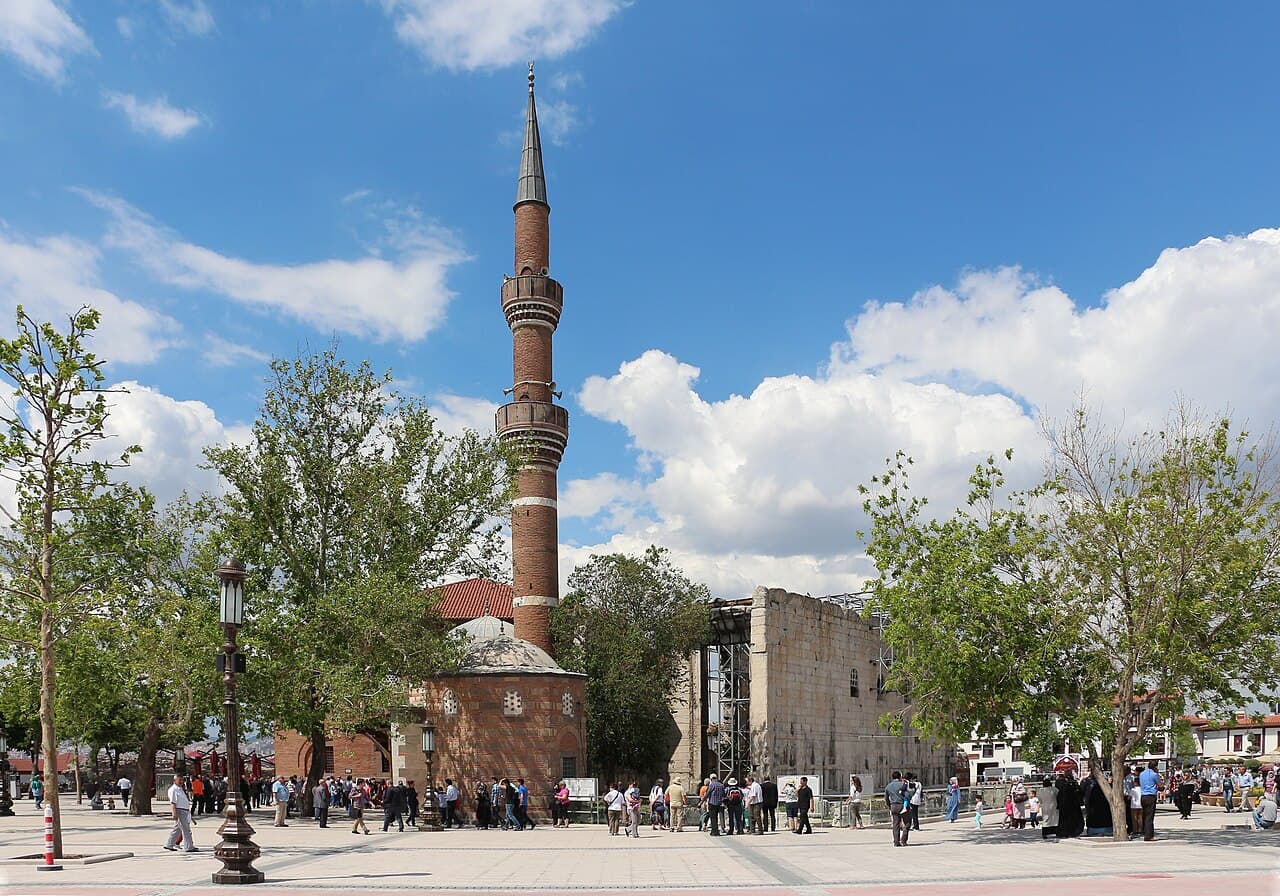
Hacıbayram Mosque and the Temple of Augustus
Two buildings stand side by side, separated by roughly 1,450 years. The Temple of Augustus was built between 25-20 BC and holds one of the best-preserved copies of the Res Gestae, Augustus's account of his achievements, in Latin and Greek. Right next to it, Hacıbayram Mosque was built in 1427-1428, named after the Sufi poet Hacı Bayram-ı Veli. The mosque wall leans directly against the temple. On the UNESCO Tentative World Heritage List since 2016. Free entry, 3 km from Kızılay.
For many, Ankara is just a city you pass through. Those who stay a little longer find a different side of it.
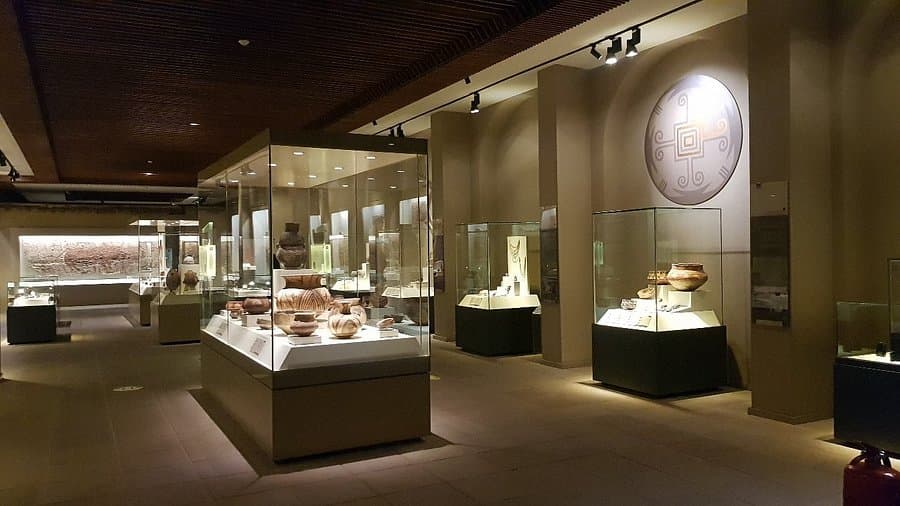
Museum of Anatolian Civilizations
Sitting on the southern slope of Ankara Castle, the museum occupies the Ottoman-era Mahmut Paşa bazaar building and Kurşunlu Han caravanserai. It holds the world's most extensive Hittite artifact collection, covering 7,500 years of Anatolian history. It was elected European Museum of the Year in 1997. Artifacts are arranged chronologically from the Paleolithic to the Ottoman period. Open daily 08:30-19:00, last entry at 18:15. Admission is 15 TL. Pairs well with a Castle visit on the same day; about 3.5 km from Kızılay.
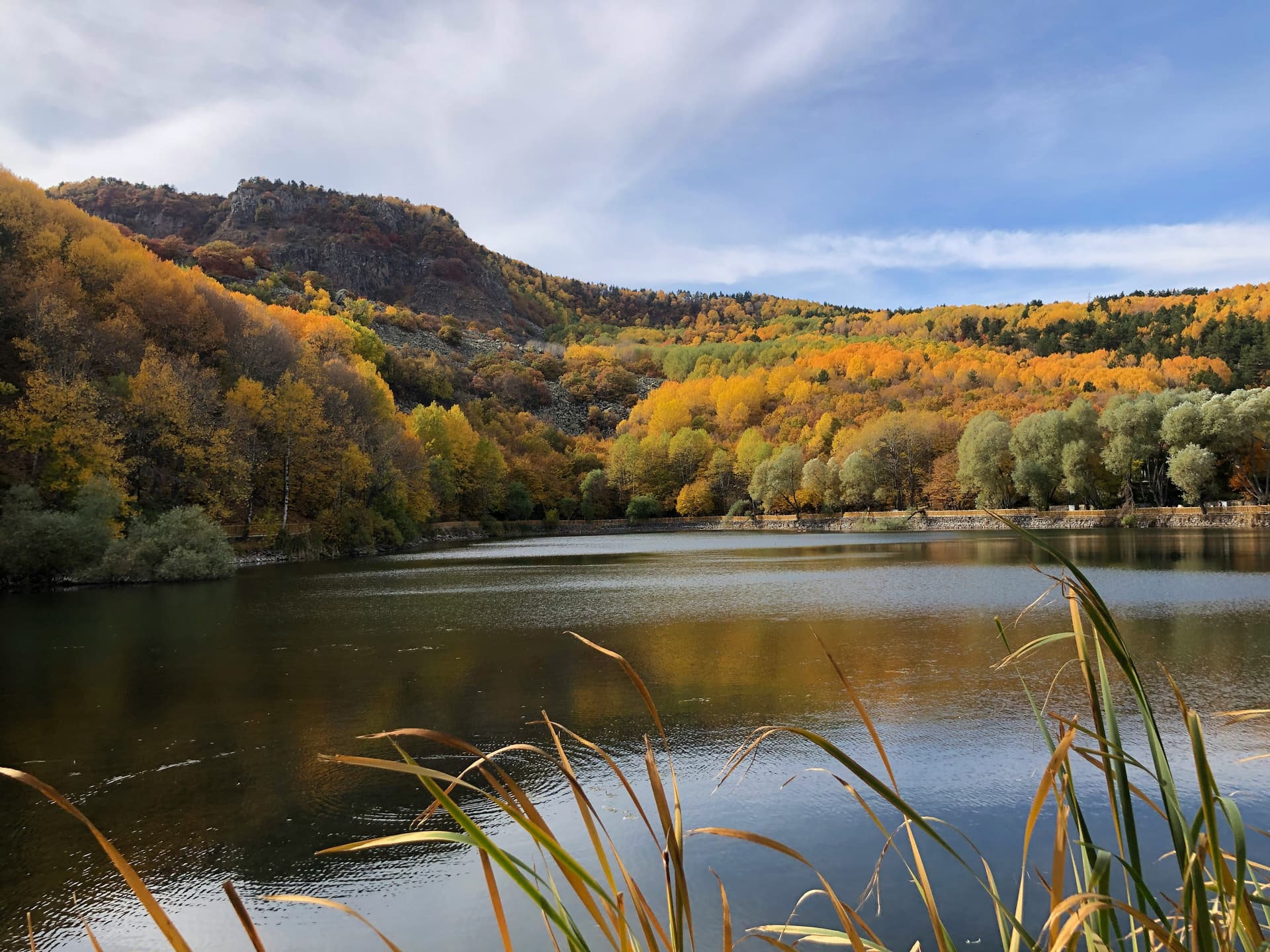
Karagöl Nature Park (Çubuk)
A crater lake between Çubuk and Kızılcahamam districts, 68 km from Kızılay. It sits at the foothills of Mount Kavak and Mount Yıldırım, surrounded by pine and mountain poplar forest. The park has picnic areas, barbecue spots, a playground, restaurant, and parking. Camping is possible with tents, bungalows, or caravans; checkout is at 19:30. The park receives around 100,000 visitors per year. Good for trekking and nature photography. Basic facilities can be limited, so bringing your own equipment is recommended. 28 km from Çubuk district center.
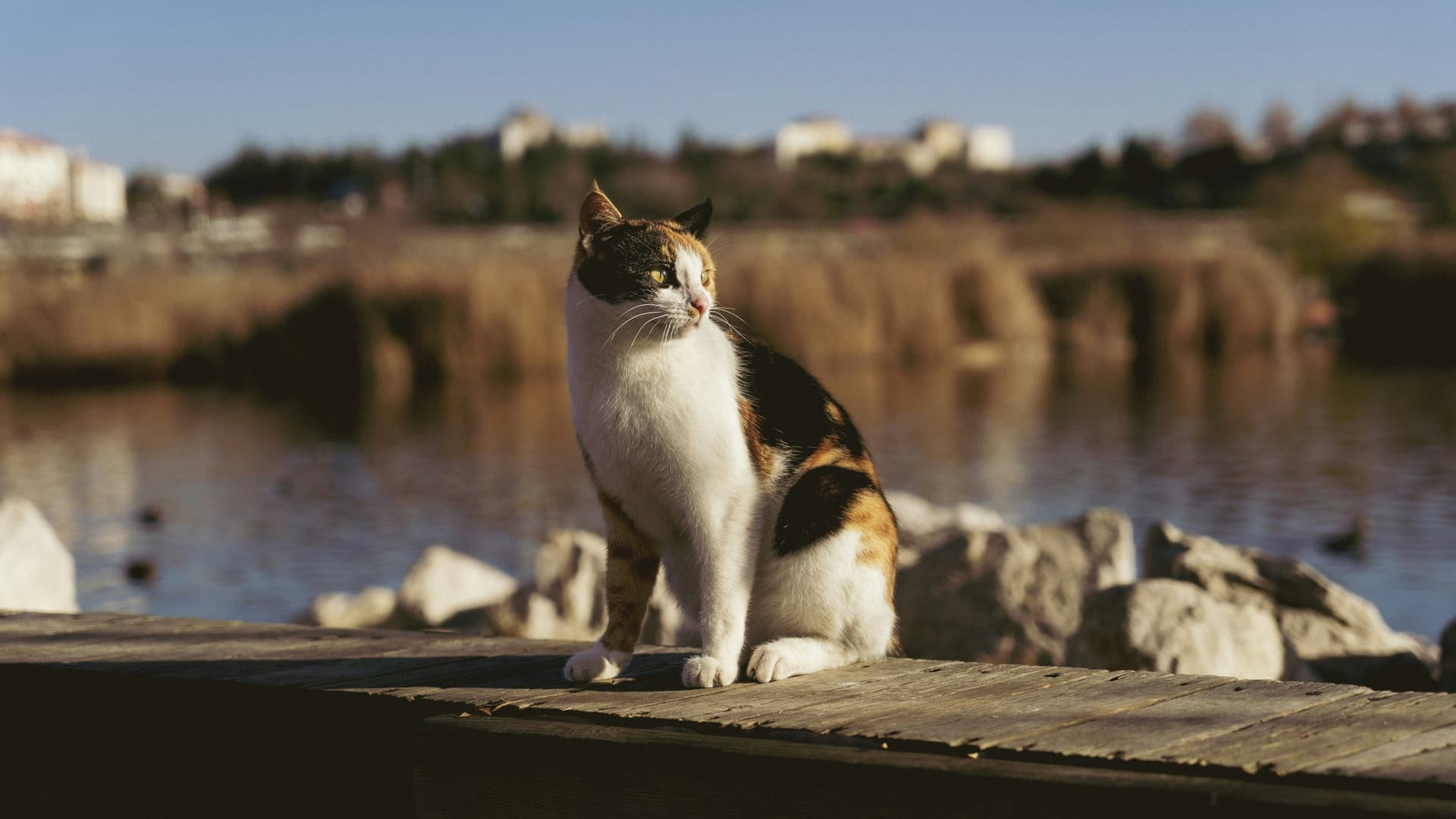
Gölbaşı and Mogan Lake
South of Ankara, 28 km from the city center. Mogan Lake covers 5.6 km² with a 14 km circumference, a sizable body of water. Mogan Park on the western shore was established in 2001; of its 600,000 m² area, 200,000 m² is reserved for endangered waterfowl. The lake sits on national and international bird migration routes. There are walking paths, bird observation towers, and rest areas. Pedestrian entry is free, parking is paid. Picnicking and boat tours are available. One of the closest escapes from Ankara for a weekend outing.
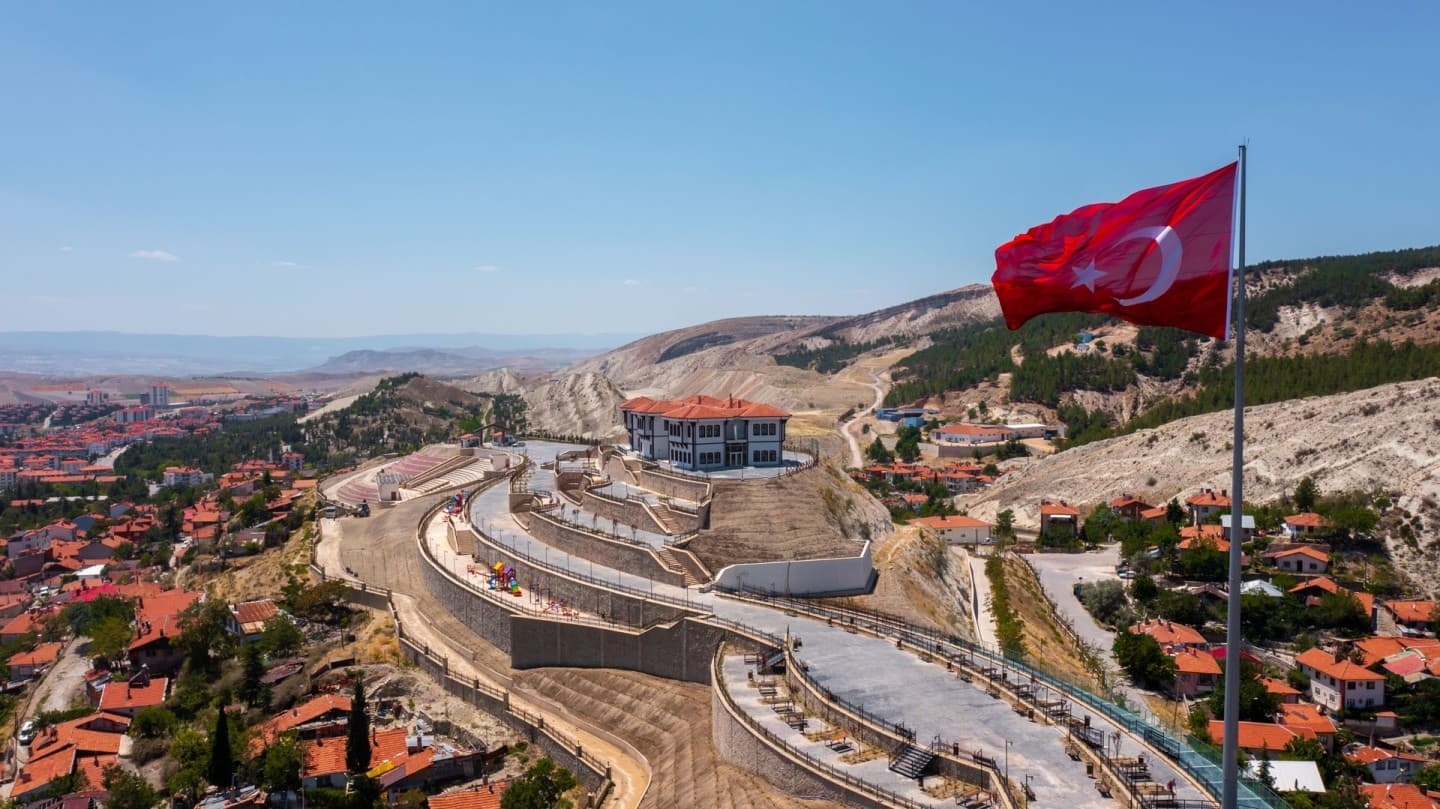
Beypazarı
97 km west of Ankara, Beypazarı is a well-preserved example of 19th-century Ottoman urbanism. The 13th-century Sultan Alaaddin Mosque and the 17th-century Suluhan Caravanserai are here. The 200-year-old bazaar in the town center was one of the largest regional markets during the Ottoman era. The Living Museum, founded in 2007, is Turkey's first interactive ethnography museum, displaying local crafts in a restored Ottoman mansion. Beypazarı produces around 60 percent of Turkey's carrots. It's also known for Telkâri silverwork, dry biscuits, and baklava. İnözü Valley is a 5-minute drive away, with manmade caves thought to be Phrygian or Roman. On the UNESCO Tentative World Heritage List.
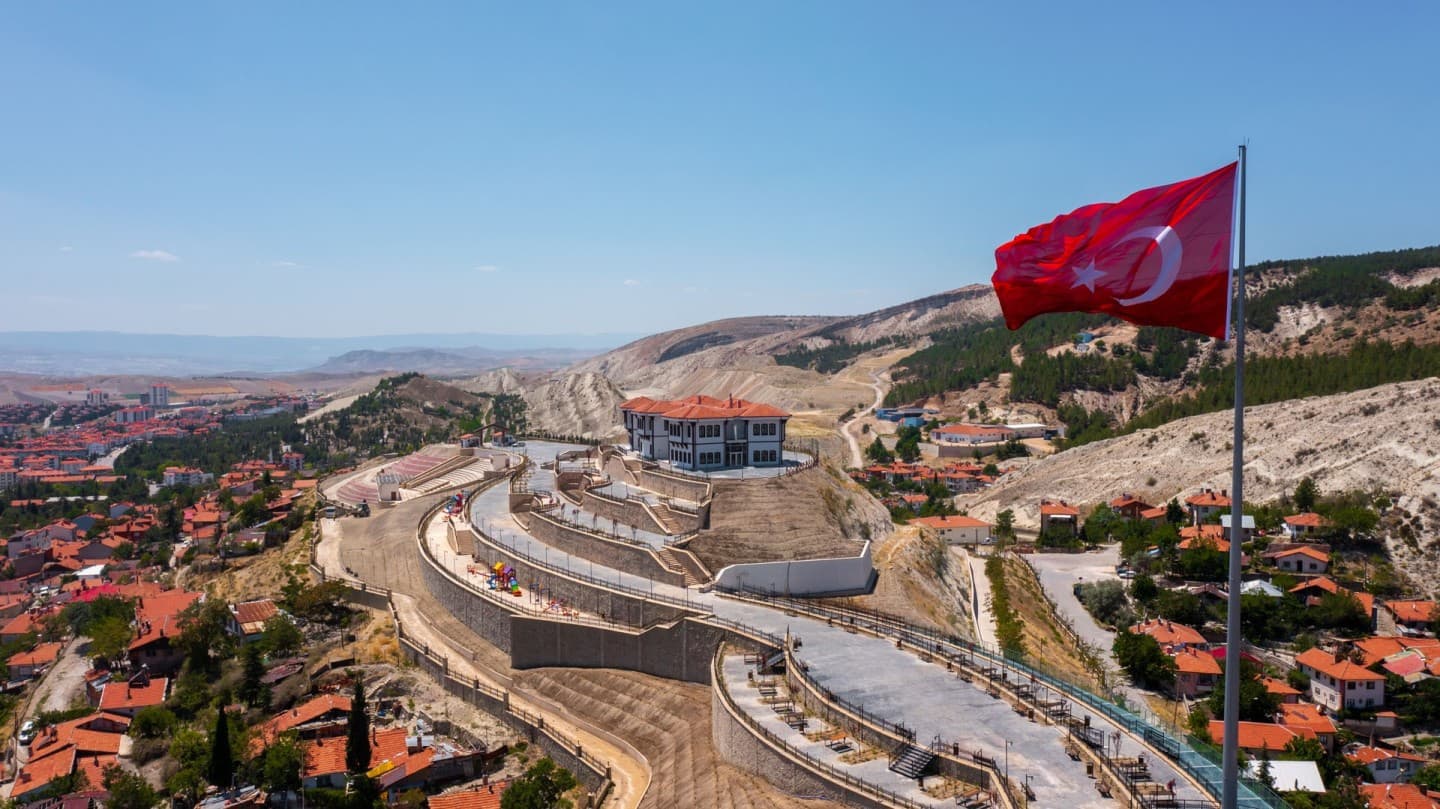
Kızılcahamam
82 km north of Ankara, on the Istanbul motorway. Thermal spring temperatures range from 38°C to 80°C, with mineralization around 12,000 mg per liter. The bicarbonate and acratothermal waters have been used as spas since Ottoman times. At 975 meters elevation, the area is surrounded by oak and pine forests. A transition zone between Central Anatolia and the Black Sea climate. Regular buses run from Ankara, taking about 1.5 hours. A day trip is possible, but thermal hotels are available for those who want to stay overnight.
Nallıhan Bird Sanctuary
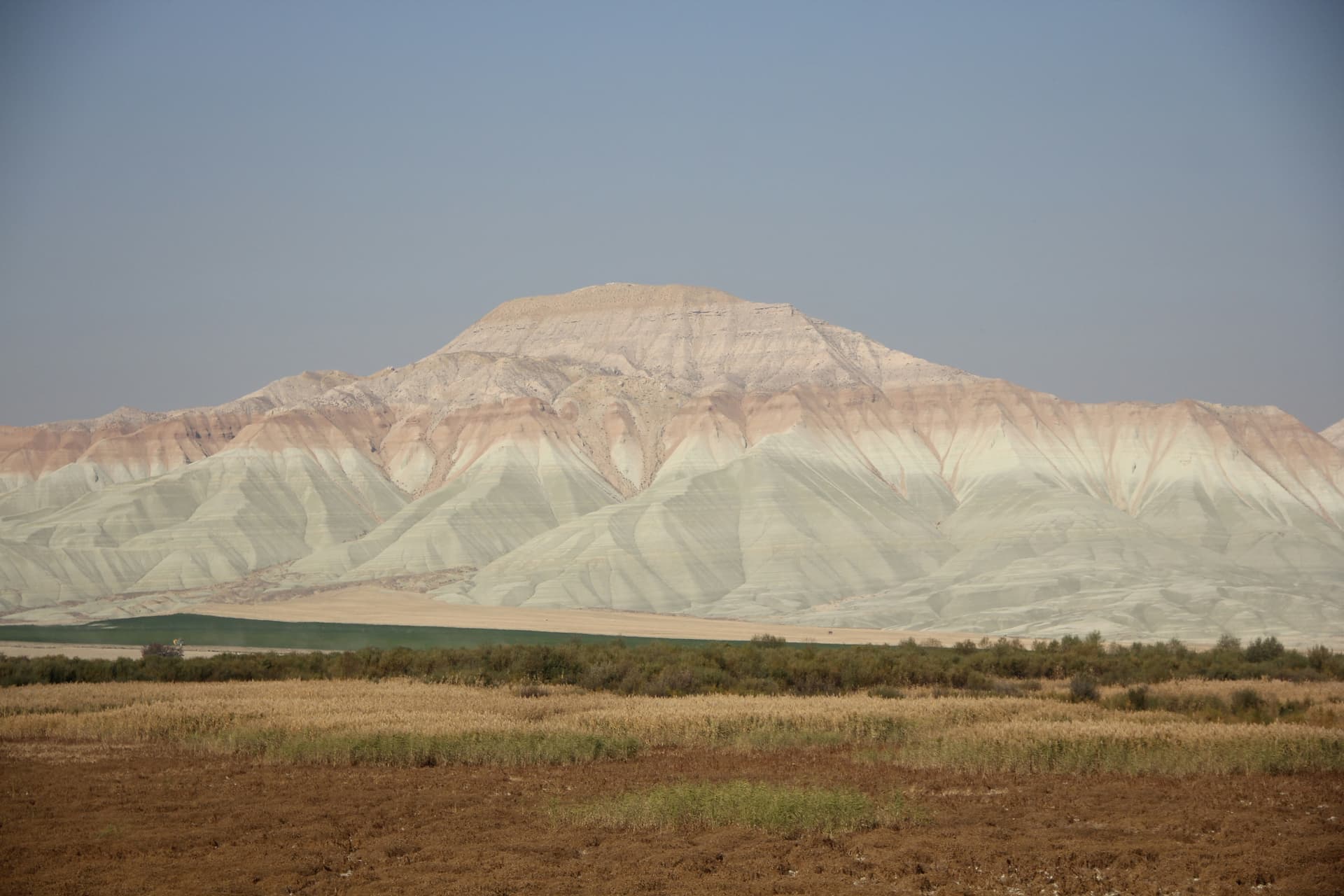
About 155 km from Ankara, within the boundaries of Davutoğlan village. It's an artificial wetland formed where Aladağ Creek meets the Sarıyar Dam. Total area is 425 hectares. 191 bird species have been recorded to date. It has held Wildlife Development Area status since 1994, with hunting prohibited. It's one of Turkey's best-known birdwatching spots and sits on national and international migration routes. Also popular for nature photography and hiking. Entry appears to be free, with no specific fee listed. About a 2-hour drive from the city center.
Conclusion
From museums in the city center to the stone streets of Beypazarı, from Eymir Lake to the courtyard of Hacıbayram Mosque, Ankara offers halal travelers far more than expected. Before your trip, browse accommodation and dining options on HalalWorld.