IstanbulSarajevoKonjicMostarKotorShkodërTiranaOhridSkopjePristinaPrizren
6 Nights 7 Days
Transportation: Plane
Turkish
Visa Free
Transfer Point: Istanbul
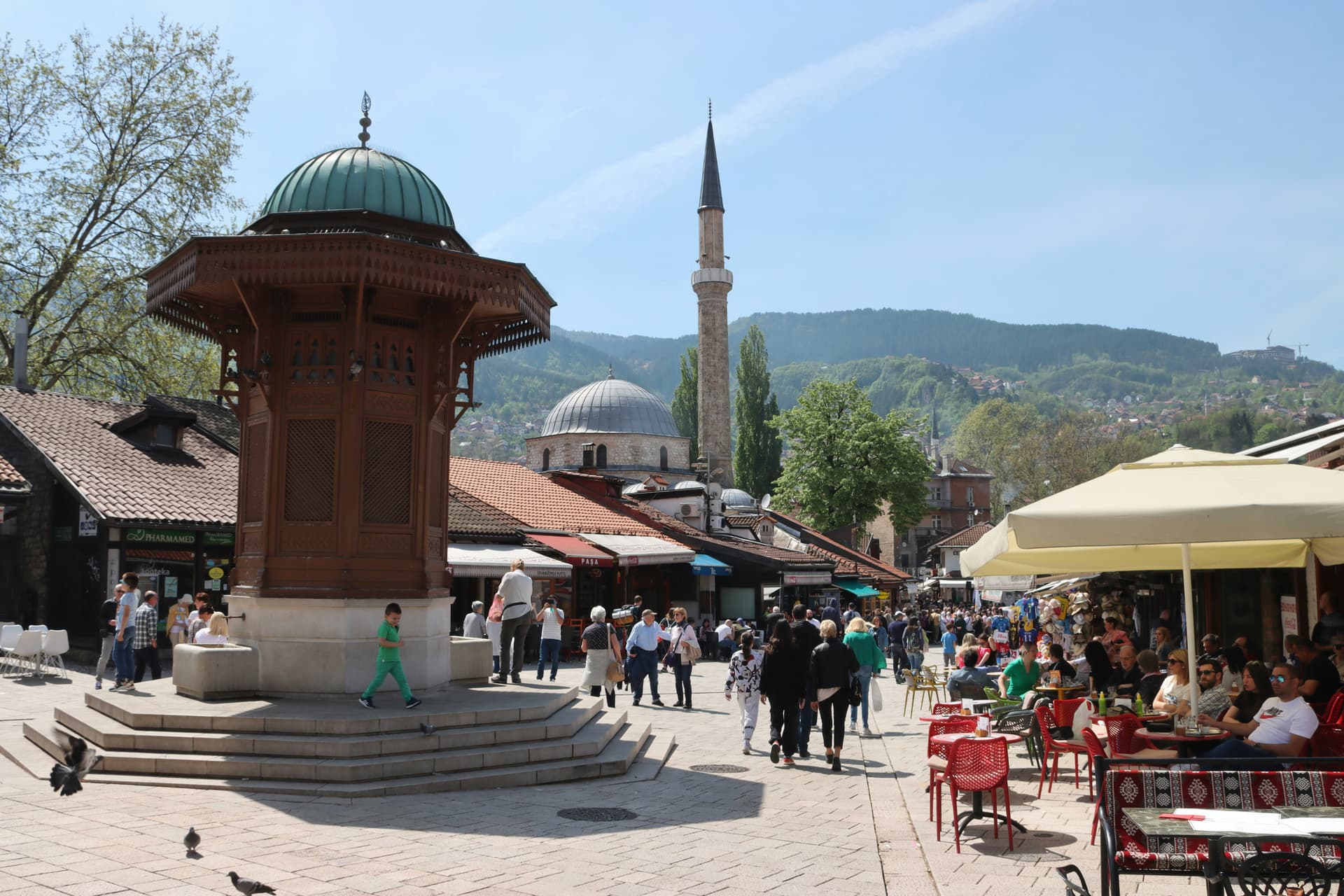
Istanbul • Sarajevo
Meeting at Istanbul Sabiha Gökçen Airport, in front of the Pegasus Airlines counter, and after ticket and baggage procedures, flight to Sarajevo and arrival. With the transfer vehicle waiting for us at the airport, accompanied by our guide, we visit the Tunnel of Hope, which was dug under the airport and was one of the most critical moves of the Bosniaks in the war between 1992 and 1995. In this tunnel and museum, which broke the Siege of Sarajevo, considered the longest siege in history (4 years 4 months) and changed the course of the war, we feel the war with a 15-minute video prepared from original footage. (Depending on the guide's decision, the War Tunnel tour will be carried out or cancelled in order not to disrupt the tour program.) After visiting this museum where a photo gallery, war map, and tools used during the war are exhibited, we move to Bascarsija. On our way, we see buildings that still bear the traces of the bombardment during the war, the tram line which is Europe's first electric motor tram line and still actively travels Sarajevo from end to end, buildings belonging to the Tito era Yugoslav People's Army but currently used as Sarajevo university campus, USA's second largest embassy building in the world, Sarajevo city museum, Parliament building, and the region's largest shopping mall built by Arab investors, and arrive at Bascarsija. Our first stop is the martyrdom where the martyrs of the sad war experienced in 1992-1995 and Alija Izetbegovic's monumental tomb are located. We recite Fatiha for the war martyrs and get information about the first President of Bosnia and Herzegovina Alija Izetbegovic and his life from our guide. Then we pass through the cobbled Bosniak – Turkish neighborhood that has managed to survive from the Ottoman period and start our Bascarsija walking tour. Places we will see during our tour: Sebilj built with 18th-century Bosniak architecture, "Coppersmiths Street" the only active art street managed to survive from the Ottoman period, Bazaar Mosque, Morica Han and the Young Muslims Organization club "Mladi Muslimani" inside, Gazi Husrev Bey Mosque and tomb (cousin of Suleiman the Magnificent), Clock Tower, Kursunlu Madrasa, Gazi Husrev Bey Museum and Library, Europe's first public toilet, Latin Bridge known as the place where World War I started, Hunkar Mosque built in the name of Fatih Sultan Mehmet, At Meydani - Okmeydani, Bakir Baba Mosque built by Bursa Metropolitan Municipality, Orthodox Church, Alija Izetbegovic Park and Sarajevo retirees constantly playing chess in the park, Ferhadija Mosque, Ferhadija Street (Sarajevo's Istiklal Street), Jewish Synagogue, Catholic Church – Cathedral – Sacred Heart Church, Sarajevo roses (points where more than one person lost their lives with a bomb during the war), the point where the Bakery massacre took place, the Eternal Flame lit in memory of the liberation of Sarajevo under German occupation by the Yugoslav army on April 6, 1945, Markale District market where 68 people lost their lives and known as the Marketplace massacre on February 5, 1994, and the Vijecnica library built as the Government House (City Hall) during the Austro-Hungarian period and burned during the war causing many manuscripts to turn to ashes. After our walking tour in Bascarsija, we have our dinner at our local restaurant and proceed to our Sarajevo hotel for accommodation.
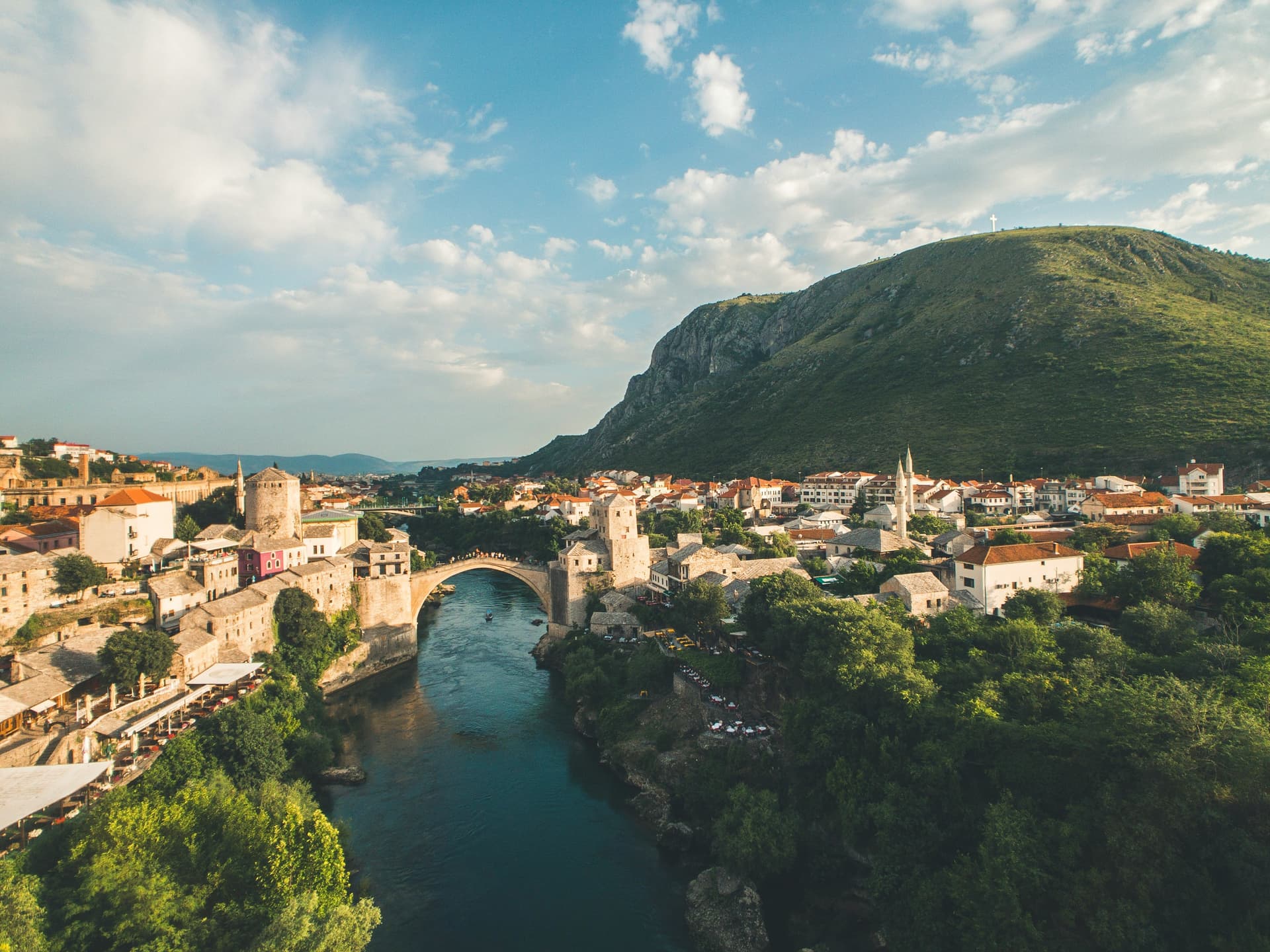
Sarajevo • Konjic • Mostar
After our early breakfast at our hotel, we leave our hotel and start our Mostar tour. We arrive at our first stop, the city of Konjic (Sarajevo- Konjic – 50 km). In this small city with a population of 50 thousand established on the banks of the Neretva River, the Ottoman bridge damaged in World War II and the 92-95 war and renovated by TR Highways and TIKA, the Mosque with the broken minaret, and the mini bazaar restored to its original state are among the places we will see. After our photo break, we continue our journey. Our next stop is Jablanica, the city where the war took place where the founder of Yugoslavia, Josip Broz Tito, received the title of marshal. (Konjic, Jablanica – Konjic 23 km). In this city, also famous for its lamb roasting, we see the bridge that Tito destroyed as a result of his struggle against the German Nazis in 1943 and the area where the event took place. Then we move to the Alperenler Tekke, established 5 centuries ago at the source of the Buna river. (Jablanica, Blagaj – Jablanica 59 km). On our way, we see the Mostar airport and the military area built opposite the airport during the time of Yugoslavia and used as a shelter for planes. This area was prepared for hiding planes by carving out the inside of the hill right across the airport. We visit the tekke, also known as the Sari Saltuk Tekke, established at the source of the Buna river, whose source has not yet been reached and which releases up to 43,000 liters of water per second. We visit the Ali Pasha tomb and Sari Saltuk's tomb located inside the tekke, and in this two-story house built in the form of a typical Anatolian house, we see the Ladies' masjid, Meydan room, Masjid and dhikr room for men, Hamamcik and halvethane, and the room used as a kitchen. Guests who wish can drink Turkish tea in the courtyard overlooking the river. Our last stop today is the city of Mostar. (Blagaj–Mostar 12 km). Places to be seen during our tour: Martyrs' Mosque and the cemetery in its courtyard. A feature of this cemetery is that Croat and Serb Mostar residents who fought shoulder to shoulder with Muslim Bosniaks during the war are also buried there. Mostar Bazaar with pavements processed with stones collected from the river special to the region, Koski Mehmet Pasha Mosque. This is the mosque where the most beautiful photo of the bridge is taken. Republic of Turkey Mostar Consulate General, Mostar Bridge – a single-arched bridge built by Mimar Hayrettin, student of Mimar Sinan, in 1566 and destroyed in 1993 but restored again in 2004. Tara Tower – While these towers were reserved for teams ensuring bridge security in the past, they serve as museums today. Kriva Cuprija – Crooked Bridge, Tabakhane Mosque and Hamam – a mosque built specially for themselves by the notables dealing with leather work at the time so as not to disturb the congregation in other mosques as a smell, with water flowing underneath. After having our dinner at our local restaurant, accommodation at our hotel in Mostar.
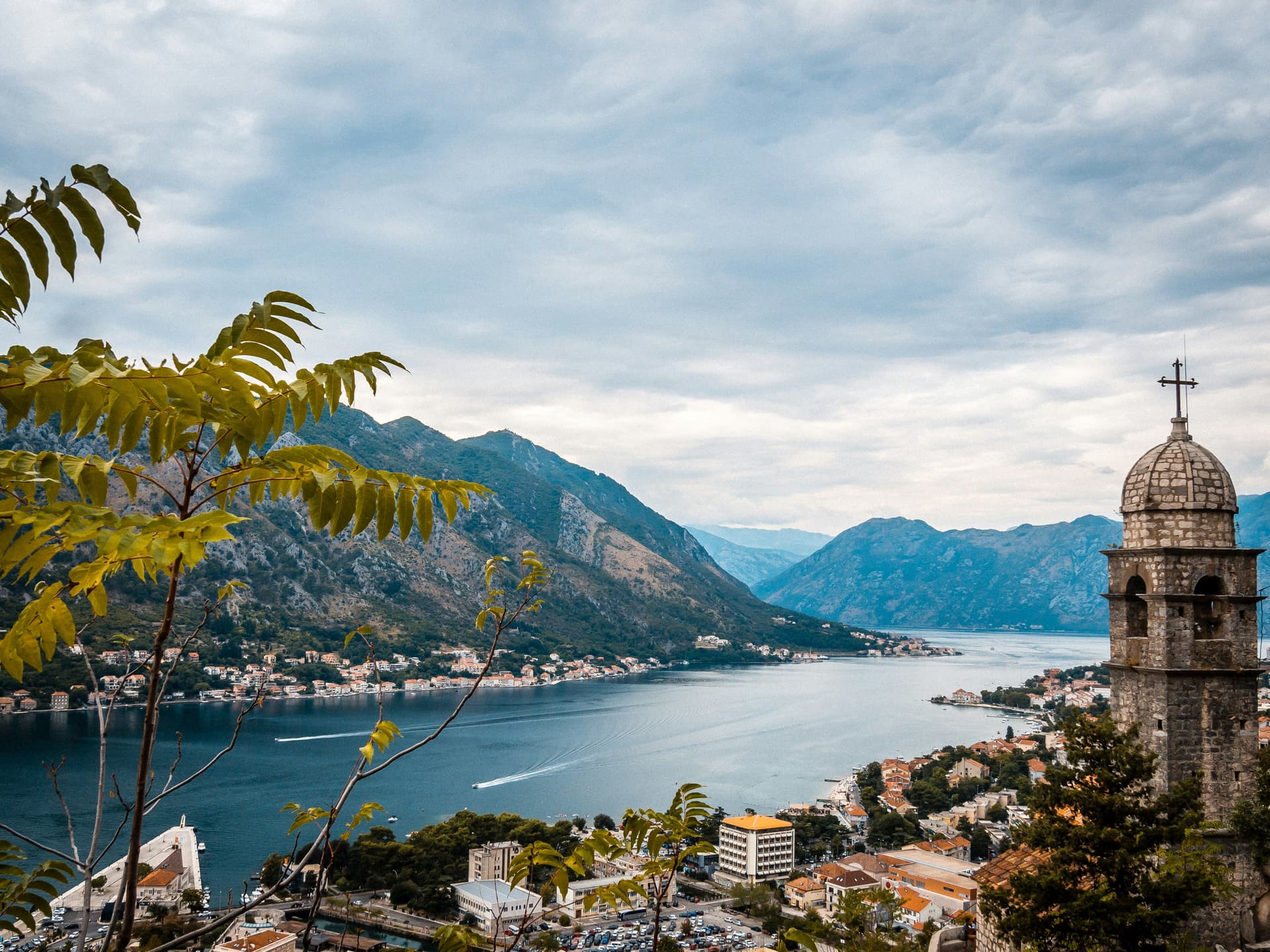
Mostar • Kotor • Shkodër
After our early breakfast at the hotel, we depart for Montenegro. We exit Bosnia and Herzegovina by passing through the towns of Stolac– Ljubinje– Trebinje. After crossing the Montenegro border, we arrive in the medieval city of Kotor, which is protected by UNESCO. Places we will see in our city tour in Kotor accompanied by our local guide: Arms Square, Clock Tower, Pillar of Shame, St. Tryphon Cathedral, Craftsmen Street, Pump Fountains, River Gate, St. Luke's Square. After our walking tour, we arrive at St. Stefan Island. After a photo break here to immortalize the magnificent view, we arrive in Podgorica, the capital of Montenegro, after a short journey. We have our dinner at our local restaurant in the capital Podgorica and proceed to our hotel. (If staying in Shkodra, we will not stop by Podgorica).
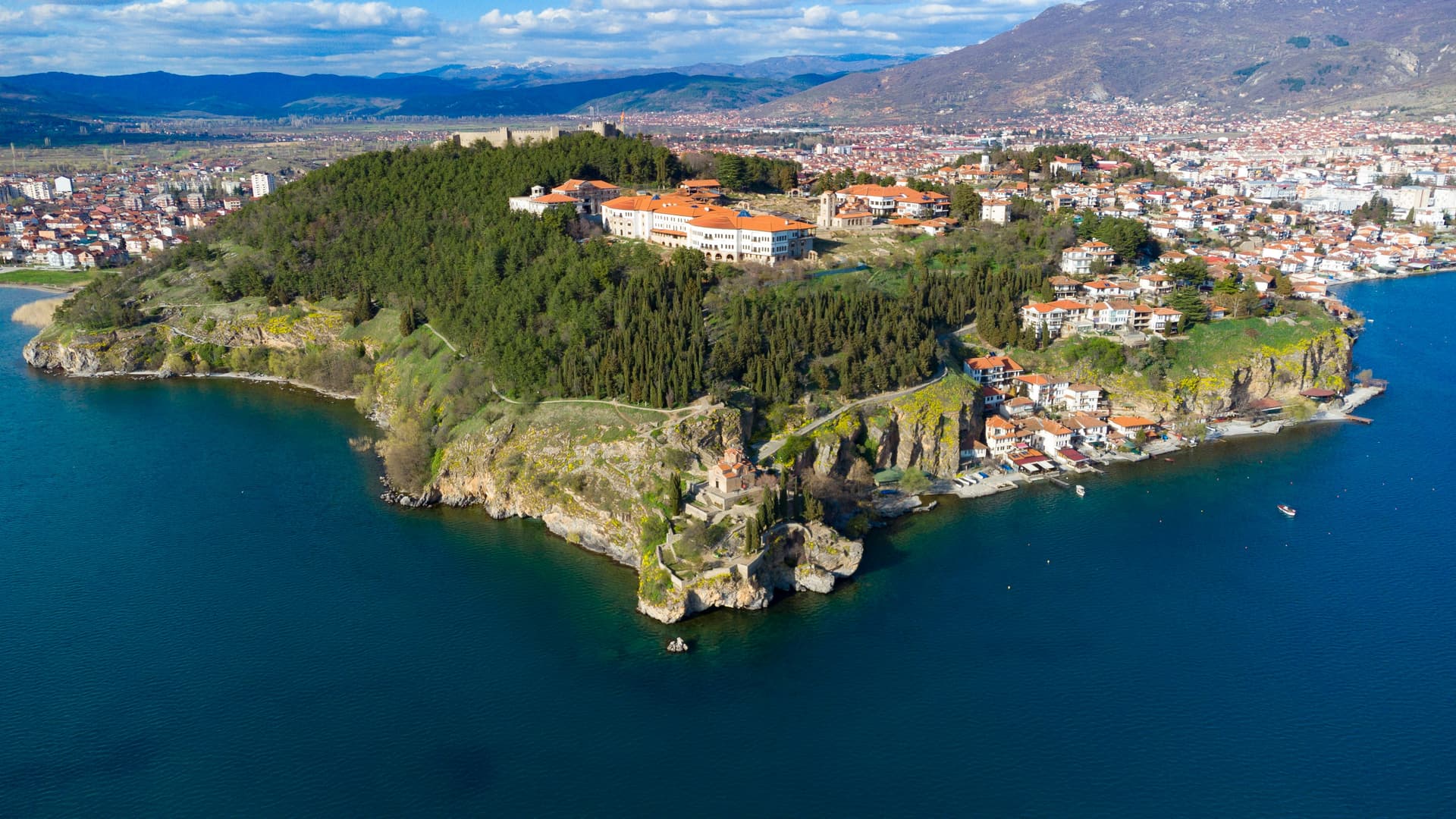
Tirana • Ohrid
After breakfast, panoramic city tour in the capital Podgorica with our bus. During our tour; Presidential Palace, City park built by Azerbaijan, Millennium Bridge, King Nikola Statue will be seen. Then we cross the border gate and enter Albania. Shkodra city, established next to Shkodra Lake forming the border between Albania and Montenegro, is our first stop. (Podgorica– Shkodra 55 km). In this city, which remained under Ottoman rule for 435 years and is strategically one of the most important cities in the Balkans, we will see the city castle and walls. We will take a short walking tour during the break we will give in the city center. After free time in the center, we continue our way towards the capital Tirana. (Shkodra - Tirana 115 km). Places we will see in our panoramic tour by bus in Tirana, which was reconstructed by Suleiman Pasha in 1614 and has been the capital of Albania since 1920: Republic of Turkey Embassy, USA embassy, construction of the Namazgah Mosque with 4 minarets financed by the Diyanet Foundation, Statue of Suleiman Pasha (founder of Tirana), Tirana city square, Ethem Bey Mosque, Clock Tower, National Museum, University Building, Opera and Ballet Building, Statue of Skanderbeg (national hero of Albanians) located in the square, Parliament and Ministry buildings, Presidential Palace. After our Tirana tour, our next stop is Elbasan. (Tirana- Elbasan 42 km). We pass through the city with our bus and take a break at the Elbasan Castle located in the city center. After seeing the Turkish streets and Hunkar Mosque around the castle, our journey continues towards the Qafthanë border gate. We see the mushroom-shaped concrete bunkers called "Bunker", which were built by the famous dictator Enver Hoxha who ruled the country between 1945 – 1985 and are said to number around 300,000. Then we cross the Qafthanë border gate and enter Macedonia. Our first stop in Macedonia is the town of Struga, located on the western shore of Lake Ohrid, with a population mostly consisting of Muslims. (Elbasan- Struga 78 km). In Struga, we see the Black Drin river born from Lake Ohrid and its source, and get general information about Struga from our guide. After free time for photos in this city, also known as the city of poets, we continue towards Ohrid. (Struga- Ohrid 14 km). Upon our arrival in Ohrid, after our dinner at our local restaurant overlooking Lake Ohrid, accommodation at our hotel in Ohrid.
Ohrid • Skopje
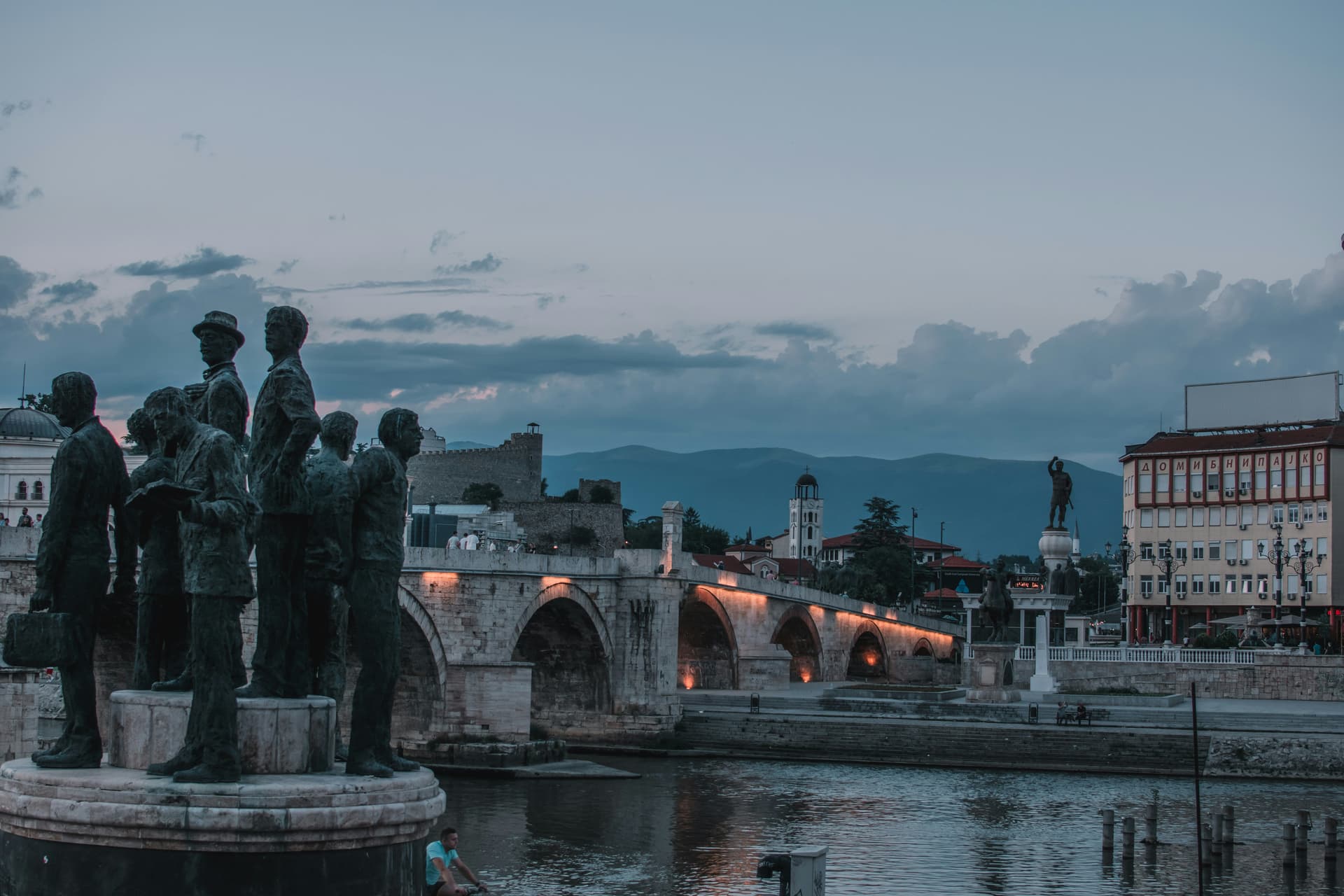
After our breakfast, we will have a tour introducing the historic city of Ohrid, which was one of the most important bases of the Ottomans in the Balkans. Places we will see during our tour: The 11-century-old plane tree, Halveti Tekke, Ali Pasha Mosque, City Square and Ohrid Bazaar famous for its pearl shops, Ohrid Marketplace, Hagia Sophia Church, St. Clement Statue, the shop where we can see paper making with the technique applied in China in the 2nd century BC in the streets resembling Safranbolu, Hagia Sophia Church, and the Ancient Theatre are among the places to be seen. After our tour, we proceed with our bus to Tetovo (Kalkandelen), a cute town built during the reign of Suleiman the Magnificent. (Ohrid- Tetovo 130 km). Our first of two important stops in Tetovo is the Painted Mosque built by Abdurrahman Pasha in 1833. The interior and exterior decorations of the mosque, made with paint created by mixing animal blood, plant roots, and egg white, will fascinate you. After getting information about the tekke from Cemali, we go to the Bektashi dervish Abdulmuttalip residing in the other corner of the tekke and listen to the history of the tekke and the works done from him as well. We depart for Skopje, the capital of Macedonia, at the time determined by our guide. (Tetovo– Skopje 40 km). Upon our arrival in Skopje, we have our dinner at our local restaurant. Then accommodation at our hotel in Skopje. Guests who wish can spend time in the center after dinner to enjoy this city which is beautifully illuminated at night.
Skopje • Pristina • Prizren
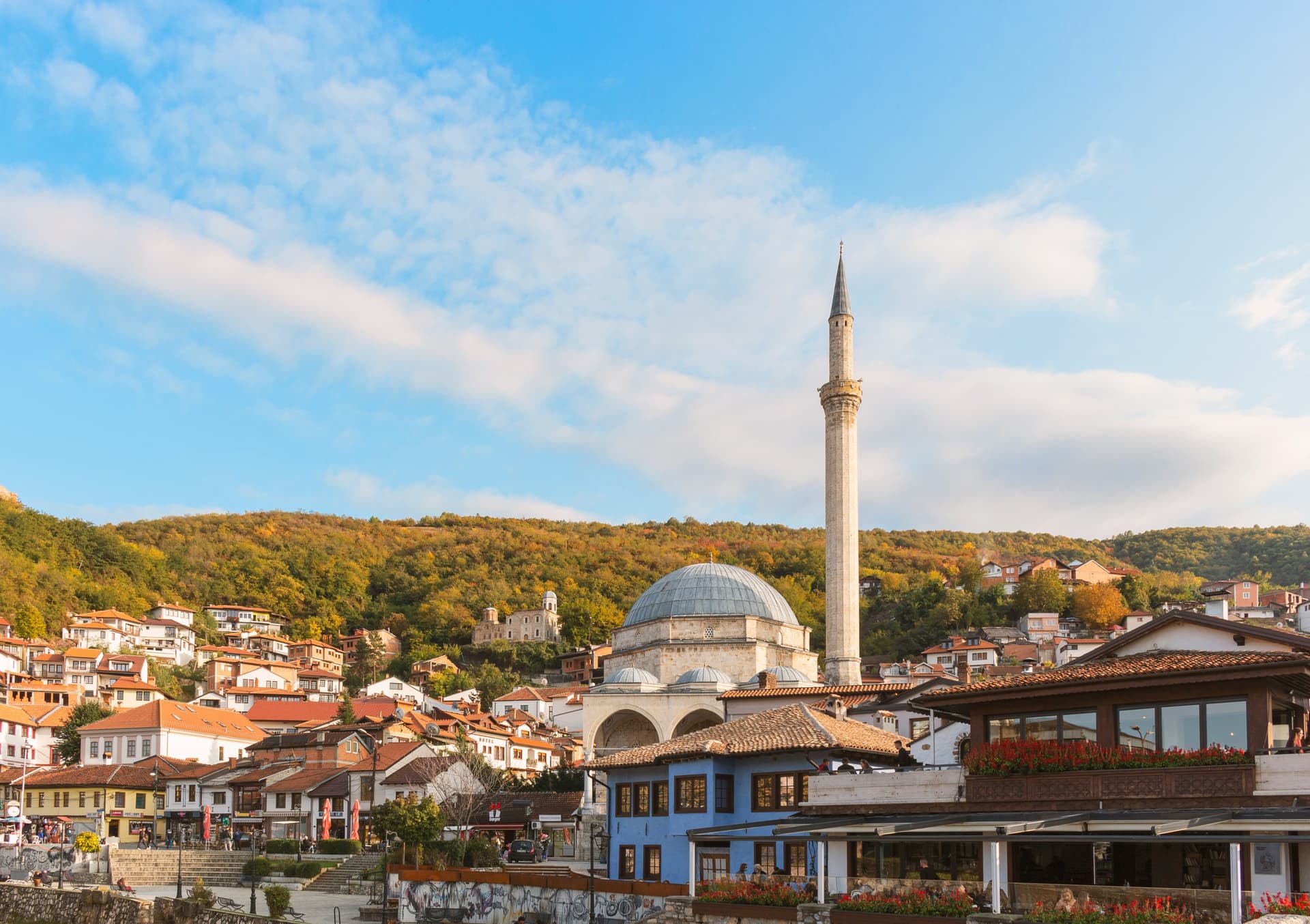
After our early breakfast at the hotel, we depart for Pristina, the capital of Kosovo. We visit the tomb located in Pristina, the capital of Kosovo, which has played key roles in many periods of Ottoman history, where the internal organs of Ottoman Sultan Murad I (Hüdavendigar), who was martyred in the Battle of Kosovo in 1389, are buried. We also visit the Selamlik building located right next to the tomb and used as a museum. Inside the building, we have the opportunity to see the photos of the visit of the Ottoman Sultan Reşad, who visited the Balkans for the last time in 1911. On our way from the tomb to Prizren, we see the square and the monument where the rally was held in 1989, where Yugoslav President Slobodan Milosevic started the election campaign due to the 600th anniversary of the Kosovo War and used the expression "Greater Serbia" for the first time, which would later bring the end of Yugoslavia. Then, after a one-and-a-half-hour journey, we arrive in Prizren, the second largest city of Kosovo where many Ottoman artifacts are located. We start our Prizren city tour. In this tour we will do on foot accompanied by our guide; Halveti Tekke, Gazi Mehmet Pasha Hamam, Bayrakli Mosque, Namazgah where Fatih Sultan Mehmed prayed with his army, Marash District and Marash Bridge, 400-year-old plane tree, Emin Pasha Mosque, TC Prizren Consulate General building, Stone Bridge on Bistrica (Akdere), Shadervan square, Sinan Pasha Mosque, St. George and Catholic Churches, Arasta Mosque Minaret which was destroyed during the Yugoslavia time but managed to survive, and the Serbian quarter where we can still see the destructive effects of the war. After our tour, free time to enjoy this beautiful city. Then, at the time determined by our guide, we move to our local restaurant to have dinner. After our dinner, we move to our hotel in Skopje for accommodation.
Skopje • Istanbul
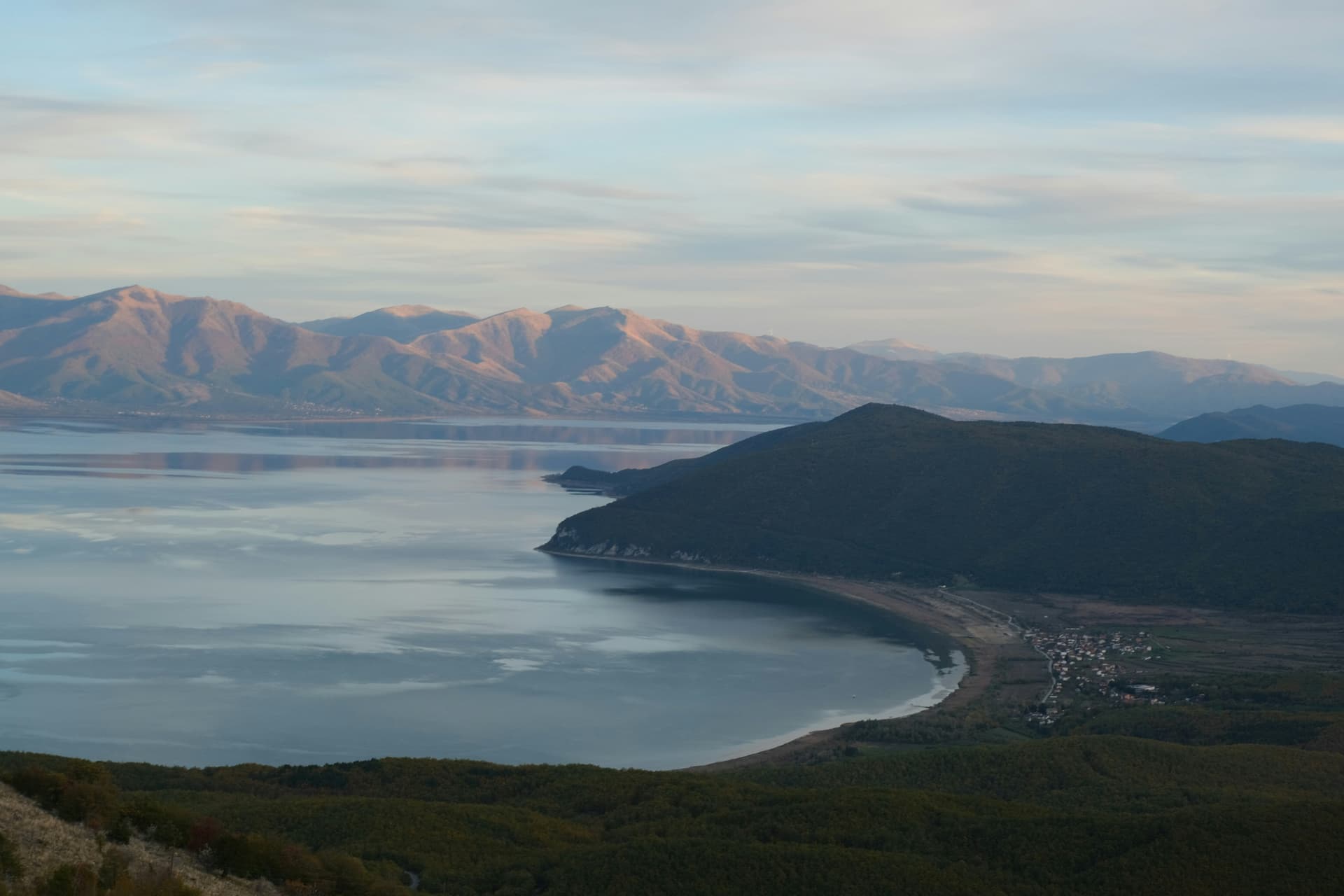
After our early breakfast at the hotel, we check out from our hotel, get off our bus near the Skopje Fortress, and start our city tour. We start our walking tour in the Skopje Turkish Bazaar, with its original name, where the Ottoman Empire ruled for more than 500 years and which has still preserved its old state. Places we will see during our tour: Mustafa Pasha Mosque, Jewelers Street, Arasta Mosque, Stone Bridge built on the Vardar River and the symbol of Skopje, Turkish and Jewish Quarter, Davut Pasha Hamam, Cifte Hamam, Murat Pasha Mosque, Sulu Han, Kapan Han, Kursunlu Han, the gigantic Statue of Alexander the Great causing the name crisis with Greece in 2011, Statue of Philip II (father of Alexander the Great), Vardar River, Macedonia Archeology Museum and Archive building, National Theater Building, Museum of Resistance, statues of Saints Cyril and Methodius who invented the Cyrillic alphabet, 17th-century St. Spas Church, Mother Teresa monument and Teresa museum, Old Train Station building standing as it was destroyed in the 1963 earthquake. After our walking tour, departure to Skopje airport. After passport and customs procedures, flight to Istanbul Sabiha Gökçen Airport and arrival.
28 Tem - 03 Ağu 2026
€850
Economy class round-trip flight tickets with Pegasus Airlines: Sabiha Gökçen – Sarajevo / Skopje – Sabiha Gökçen
Excursions and visits specified in the program
Airport meet & greet and round-trip transfers
Accommodation in 4* hotels in double & triple rooms
6 open buffet breakfasts at the hotel
6 dinners at local restaurants (Drinks taken during meals are not included in the price).
Luxury bus transportation and professional driver service throughout the tour
Professional guidance service
City taxes
Border crossing taxes between countries
Local guidance service in Kotor
Kotor entrance fee
Blagaj Tekke
Sarajevo War Tunnel
Personal expenses and Hotel extras
Lunches
Drinks taken during dinners and breaks.
International exit fee
Tours and transfers not specified in the program
Travel health insurance
Museums and ruins not specified in the program
6 Nights 7 Days
Transportation: Plane
Turkish
Visa Free
Transfer Point: Istanbul
IstanbulSarajevoKonjicMostarKotorShkodërTiranaOhridSkopjePristinaPrizren
28 Tem - 03 Ağu 2026
€850
Istanbul • Sarajevo
Meeting at Istanbul Sabiha Gökçen Airport, in front of the Pegasus Airlines counter, and after ticket and baggage procedures, flight to Sarajevo and arrival. With the transfer vehicle waiting for us at the airport, accompanied by our guide, we visit the Tunnel of Hope, which was dug under the airport and was one of the most critical moves of the Bosniaks in the war between 1992 and 1995. In this tunnel and museum, which broke the Siege of Sarajevo, considered the longest siege in history (4 years 4 months) and changed the course of the war, we feel the war with a 15-minute video prepared from original footage. (Depending on the guide's decision, the War Tunnel tour will be carried out or cancelled in order not to disrupt the tour program.) After visiting this museum where a photo gallery, war map, and tools used during the war are exhibited, we move to Bascarsija. On our way, we see buildings that still bear the traces of the bombardment during the war, the tram line which is Europe's first electric motor tram line and still actively travels Sarajevo from end to end, buildings belonging to the Tito era Yugoslav People's Army but currently used as Sarajevo university campus, USA's second largest embassy building in the world, Sarajevo city museum, Parliament building, and the region's largest shopping mall built by Arab investors, and arrive at Bascarsija. Our first stop is the martyrdom where the martyrs of the sad war experienced in 1992-1995 and Alija Izetbegovic's monumental tomb are located. We recite Fatiha for the war martyrs and get information about the first President of Bosnia and Herzegovina Alija Izetbegovic and his life from our guide. Then we pass through the cobbled Bosniak – Turkish neighborhood that has managed to survive from the Ottoman period and start our Bascarsija walking tour. Places we will see during our tour: Sebilj built with 18th-century Bosniak architecture, "Coppersmiths Street" the only active art street managed to survive from the Ottoman period, Bazaar Mosque, Morica Han and the Young Muslims Organization club "Mladi Muslimani" inside, Gazi Husrev Bey Mosque and tomb (cousin of Suleiman the Magnificent), Clock Tower, Kursunlu Madrasa, Gazi Husrev Bey Museum and Library, Europe's first public toilet, Latin Bridge known as the place where World War I started, Hunkar Mosque built in the name of Fatih Sultan Mehmet, At Meydani - Okmeydani, Bakir Baba Mosque built by Bursa Metropolitan Municipality, Orthodox Church, Alija Izetbegovic Park and Sarajevo retirees constantly playing chess in the park, Ferhadija Mosque, Ferhadija Street (Sarajevo's Istiklal Street), Jewish Synagogue, Catholic Church – Cathedral – Sacred Heart Church, Sarajevo roses (points where more than one person lost their lives with a bomb during the war), the point where the Bakery massacre took place, the Eternal Flame lit in memory of the liberation of Sarajevo under German occupation by the Yugoslav army on April 6, 1945, Markale District market where 68 people lost their lives and known as the Marketplace massacre on February 5, 1994, and the Vijecnica library built as the Government House (City Hall) during the Austro-Hungarian period and burned during the war causing many manuscripts to turn to ashes. After our walking tour in Bascarsija, we have our dinner at our local restaurant and proceed to our Sarajevo hotel for accommodation.
Sarajevo • Konjic • Mostar
After our early breakfast at our hotel, we leave our hotel and start our Mostar tour. We arrive at our first stop, the city of Konjic (Sarajevo- Konjic – 50 km). In this small city with a population of 50 thousand established on the banks of the Neretva River, the Ottoman bridge damaged in World War II and the 92-95 war and renovated by TR Highways and TIKA, the Mosque with the broken minaret, and the mini bazaar restored to its original state are among the places we will see. After our photo break, we continue our journey. Our next stop is Jablanica, the city where the war took place where the founder of Yugoslavia, Josip Broz Tito, received the title of marshal. (Konjic, Jablanica – Konjic 23 km). In this city, also famous for its lamb roasting, we see the bridge that Tito destroyed as a result of his struggle against the German Nazis in 1943 and the area where the event took place. Then we move to the Alperenler Tekke, established 5 centuries ago at the source of the Buna river. (Jablanica, Blagaj – Jablanica 59 km). On our way, we see the Mostar airport and the military area built opposite the airport during the time of Yugoslavia and used as a shelter for planes. This area was prepared for hiding planes by carving out the inside of the hill right across the airport. We visit the tekke, also known as the Sari Saltuk Tekke, established at the source of the Buna river, whose source has not yet been reached and which releases up to 43,000 liters of water per second. We visit the Ali Pasha tomb and Sari Saltuk's tomb located inside the tekke, and in this two-story house built in the form of a typical Anatolian house, we see the Ladies' masjid, Meydan room, Masjid and dhikr room for men, Hamamcik and halvethane, and the room used as a kitchen. Guests who wish can drink Turkish tea in the courtyard overlooking the river. Our last stop today is the city of Mostar. (Blagaj–Mostar 12 km). Places to be seen during our tour: Martyrs' Mosque and the cemetery in its courtyard. A feature of this cemetery is that Croat and Serb Mostar residents who fought shoulder to shoulder with Muslim Bosniaks during the war are also buried there. Mostar Bazaar with pavements processed with stones collected from the river special to the region, Koski Mehmet Pasha Mosque. This is the mosque where the most beautiful photo of the bridge is taken. Republic of Turkey Mostar Consulate General, Mostar Bridge – a single-arched bridge built by Mimar Hayrettin, student of Mimar Sinan, in 1566 and destroyed in 1993 but restored again in 2004. Tara Tower – While these towers were reserved for teams ensuring bridge security in the past, they serve as museums today. Kriva Cuprija – Crooked Bridge, Tabakhane Mosque and Hamam – a mosque built specially for themselves by the notables dealing with leather work at the time so as not to disturb the congregation in other mosques as a smell, with water flowing underneath. After having our dinner at our local restaurant, accommodation at our hotel in Mostar.
Mostar • Kotor • Shkodër
After our early breakfast at the hotel, we depart for Montenegro. We exit Bosnia and Herzegovina by passing through the towns of Stolac– Ljubinje– Trebinje. After crossing the Montenegro border, we arrive in the medieval city of Kotor, which is protected by UNESCO. Places we will see in our city tour in Kotor accompanied by our local guide: Arms Square, Clock Tower, Pillar of Shame, St. Tryphon Cathedral, Craftsmen Street, Pump Fountains, River Gate, St. Luke's Square. After our walking tour, we arrive at St. Stefan Island. After a photo break here to immortalize the magnificent view, we arrive in Podgorica, the capital of Montenegro, after a short journey. We have our dinner at our local restaurant in the capital Podgorica and proceed to our hotel. (If staying in Shkodra, we will not stop by Podgorica).
Tirana • Ohrid
After breakfast, panoramic city tour in the capital Podgorica with our bus. During our tour; Presidential Palace, City park built by Azerbaijan, Millennium Bridge, King Nikola Statue will be seen. Then we cross the border gate and enter Albania. Shkodra city, established next to Shkodra Lake forming the border between Albania and Montenegro, is our first stop. (Podgorica– Shkodra 55 km). In this city, which remained under Ottoman rule for 435 years and is strategically one of the most important cities in the Balkans, we will see the city castle and walls. We will take a short walking tour during the break we will give in the city center. After free time in the center, we continue our way towards the capital Tirana. (Shkodra - Tirana 115 km). Places we will see in our panoramic tour by bus in Tirana, which was reconstructed by Suleiman Pasha in 1614 and has been the capital of Albania since 1920: Republic of Turkey Embassy, USA embassy, construction of the Namazgah Mosque with 4 minarets financed by the Diyanet Foundation, Statue of Suleiman Pasha (founder of Tirana), Tirana city square, Ethem Bey Mosque, Clock Tower, National Museum, University Building, Opera and Ballet Building, Statue of Skanderbeg (national hero of Albanians) located in the square, Parliament and Ministry buildings, Presidential Palace. After our Tirana tour, our next stop is Elbasan. (Tirana- Elbasan 42 km). We pass through the city with our bus and take a break at the Elbasan Castle located in the city center. After seeing the Turkish streets and Hunkar Mosque around the castle, our journey continues towards the Qafthanë border gate. We see the mushroom-shaped concrete bunkers called "Bunker", which were built by the famous dictator Enver Hoxha who ruled the country between 1945 – 1985 and are said to number around 300,000. Then we cross the Qafthanë border gate and enter Macedonia. Our first stop in Macedonia is the town of Struga, located on the western shore of Lake Ohrid, with a population mostly consisting of Muslims. (Elbasan- Struga 78 km). In Struga, we see the Black Drin river born from Lake Ohrid and its source, and get general information about Struga from our guide. After free time for photos in this city, also known as the city of poets, we continue towards Ohrid. (Struga- Ohrid 14 km). Upon our arrival in Ohrid, after our dinner at our local restaurant overlooking Lake Ohrid, accommodation at our hotel in Ohrid.
Ohrid • Skopje
After our breakfast, we will have a tour introducing the historic city of Ohrid, which was one of the most important bases of the Ottomans in the Balkans. Places we will see during our tour: The 11-century-old plane tree, Halveti Tekke, Ali Pasha Mosque, City Square and Ohrid Bazaar famous for its pearl shops, Ohrid Marketplace, Hagia Sophia Church, St. Clement Statue, the shop where we can see paper making with the technique applied in China in the 2nd century BC in the streets resembling Safranbolu, Hagia Sophia Church, and the Ancient Theatre are among the places to be seen. After our tour, we proceed with our bus to Tetovo (Kalkandelen), a cute town built during the reign of Suleiman the Magnificent. (Ohrid- Tetovo 130 km). Our first of two important stops in Tetovo is the Painted Mosque built by Abdurrahman Pasha in 1833. The interior and exterior decorations of the mosque, made with paint created by mixing animal blood, plant roots, and egg white, will fascinate you. After getting information about the tekke from Cemali, we go to the Bektashi dervish Abdulmuttalip residing in the other corner of the tekke and listen to the history of the tekke and the works done from him as well. We depart for Skopje, the capital of Macedonia, at the time determined by our guide. (Tetovo– Skopje 40 km). Upon our arrival in Skopje, we have our dinner at our local restaurant. Then accommodation at our hotel in Skopje. Guests who wish can spend time in the center after dinner to enjoy this city which is beautifully illuminated at night.
Skopje • Pristina • Prizren
After our early breakfast at the hotel, we depart for Pristina, the capital of Kosovo. We visit the tomb located in Pristina, the capital of Kosovo, which has played key roles in many periods of Ottoman history, where the internal organs of Ottoman Sultan Murad I (Hüdavendigar), who was martyred in the Battle of Kosovo in 1389, are buried. We also visit the Selamlik building located right next to the tomb and used as a museum. Inside the building, we have the opportunity to see the photos of the visit of the Ottoman Sultan Reşad, who visited the Balkans for the last time in 1911. On our way from the tomb to Prizren, we see the square and the monument where the rally was held in 1989, where Yugoslav President Slobodan Milosevic started the election campaign due to the 600th anniversary of the Kosovo War and used the expression "Greater Serbia" for the first time, which would later bring the end of Yugoslavia. Then, after a one-and-a-half-hour journey, we arrive in Prizren, the second largest city of Kosovo where many Ottoman artifacts are located. We start our Prizren city tour. In this tour we will do on foot accompanied by our guide; Halveti Tekke, Gazi Mehmet Pasha Hamam, Bayrakli Mosque, Namazgah where Fatih Sultan Mehmed prayed with his army, Marash District and Marash Bridge, 400-year-old plane tree, Emin Pasha Mosque, TC Prizren Consulate General building, Stone Bridge on Bistrica (Akdere), Shadervan square, Sinan Pasha Mosque, St. George and Catholic Churches, Arasta Mosque Minaret which was destroyed during the Yugoslavia time but managed to survive, and the Serbian quarter where we can still see the destructive effects of the war. After our tour, free time to enjoy this beautiful city. Then, at the time determined by our guide, we move to our local restaurant to have dinner. After our dinner, we move to our hotel in Skopje for accommodation.
Skopje • Istanbul
After our early breakfast at the hotel, we check out from our hotel, get off our bus near the Skopje Fortress, and start our city tour. We start our walking tour in the Skopje Turkish Bazaar, with its original name, where the Ottoman Empire ruled for more than 500 years and which has still preserved its old state. Places we will see during our tour: Mustafa Pasha Mosque, Jewelers Street, Arasta Mosque, Stone Bridge built on the Vardar River and the symbol of Skopje, Turkish and Jewish Quarter, Davut Pasha Hamam, Cifte Hamam, Murat Pasha Mosque, Sulu Han, Kapan Han, Kursunlu Han, the gigantic Statue of Alexander the Great causing the name crisis with Greece in 2011, Statue of Philip II (father of Alexander the Great), Vardar River, Macedonia Archeology Museum and Archive building, National Theater Building, Museum of Resistance, statues of Saints Cyril and Methodius who invented the Cyrillic alphabet, 17th-century St. Spas Church, Mother Teresa monument and Teresa museum, Old Train Station building standing as it was destroyed in the 1963 earthquake. After our walking tour, departure to Skopje airport. After passport and customs procedures, flight to Istanbul Sabiha Gökçen Airport and arrival.
Economy class round-trip flight tickets with Pegasus Airlines: Sabiha Gökçen – Sarajevo / Skopje – Sabiha Gökçen
Excursions and visits specified in the program
Airport meet & greet and round-trip transfers
Accommodation in 4* hotels in double & triple rooms
6 open buffet breakfasts at the hotel
6 dinners at local restaurants (Drinks taken during meals are not included in the price).
Luxury bus transportation and professional driver service throughout the tour
Professional guidance service
City taxes
Border crossing taxes between countries
Local guidance service in Kotor
Kotor entrance fee
Blagaj Tekke
Sarajevo War Tunnel
Personal expenses and Hotel extras
Lunches
Drinks taken during dinners and breaks.
International exit fee
Tours and transfers not specified in the program
Travel health insurance
Museums and ruins not specified in the program

